Why Etikoppaka
A village. A wood.
Four hundred years
of colour.
Etikoppaka is not a brand. It is a place, and a way of making, that has shaped Indian childhood for centuries.
The craft
What makes a toy
an Etikoppaka?
Soft ankudu wood, slow-turned by hand on a traditional lathe. Lacquer melted by friction, never by fire. Pigments pulled from seeds, bark, and roots. Every toy is the patient sum of materials you could grow in a garden.
A short history
Four centuries,
told briefly.
- 1600s
Village born to wood
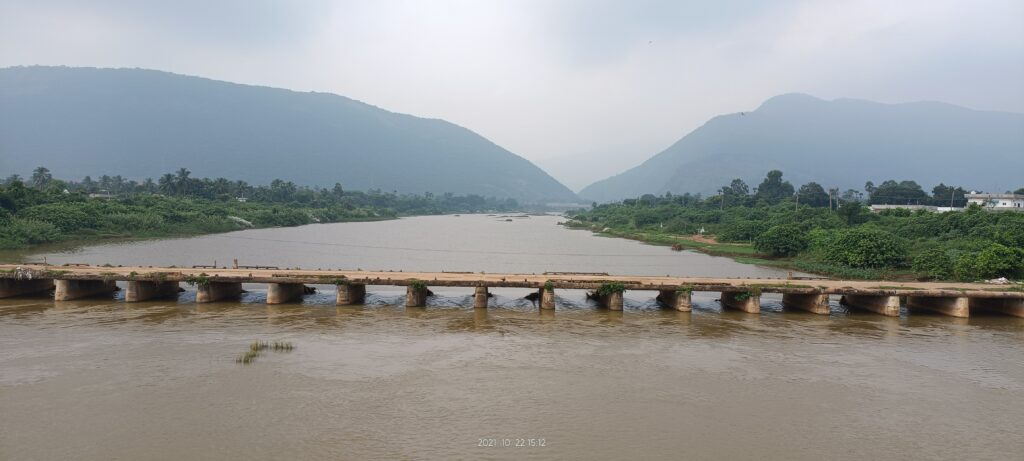
Etikoppaka, on the banks of the Varaha river, takes shape as a community of wood-turners. Soft ankudu is plentiful; the lathe arrives by river trade.
- 1800s
Lacquer perfected
Artisans master friction-applied lacquer, pigments from seeds, bark and lac fused to wood by spinning, never fire. The signature glow is born.
- 1980s
Craft on the brink
Cheap plastic floods Indian markets. Workshops fall silent, families drift to city wages. Fewer than a dozen households still turn the wheel.
- 2017
GI tag awarded
A Geographical Indication recognises Etikoppaka as protected heritage, a craft that can come only from this village, from these hands.
- Today
A quiet revival
Forty-plus families live from the craft again. New collections leave the workshop each month, slow, plant-dyed, plastic-free.
- 1600s
Village born to wood
Etikoppaka, on the banks of the Varaha river, takes shape as a community of wood-turners. Soft ankudu is plentiful; the lathe arrives by river trade.
- 1800s
Lacquer perfected
Artisans master friction-applied lacquer, pigments from seeds, bark and lac fused to wood by spinning, never fire. The signature glow is born.
- 1980s
Craft on the brink
Cheap plastic floods Indian markets. Workshops fall silent, families drift to city wages. Fewer than a dozen households still turn the wheel.
- 2017
GI tag awarded
A Geographical Indication recognises Etikoppaka as protected heritage, a craft that can come only from this village, from these hands.
- Today
A quiet revival
Forty-plus families live from the craft again. New collections leave the workshop each month, slow, plant-dyed, plastic-free.
GI-tagged
A name protected
by the land.
Like Champagne or Darjeeling, Etikoppaka carries a Geographical Indication, a legal mark that says this craft can only come from this village, made by these families, in this way.
When you choose Etikoppaka, you are choosing a place on the map. Not a factory.